 NL
NLWhat is not landing in your organisation?
Most transformations do not fail on the strategy. They stall somewhere between the decision and the shop floor, between what leaders intend and what people actually experience.
In high-hazard industries, that gap is not just a performance problem. It is where risk lives and where change loses momentum. Be Human Be Safe works with executive and operational teams to find where alignment is breaking down, and to build the leadership capability to close the gap.
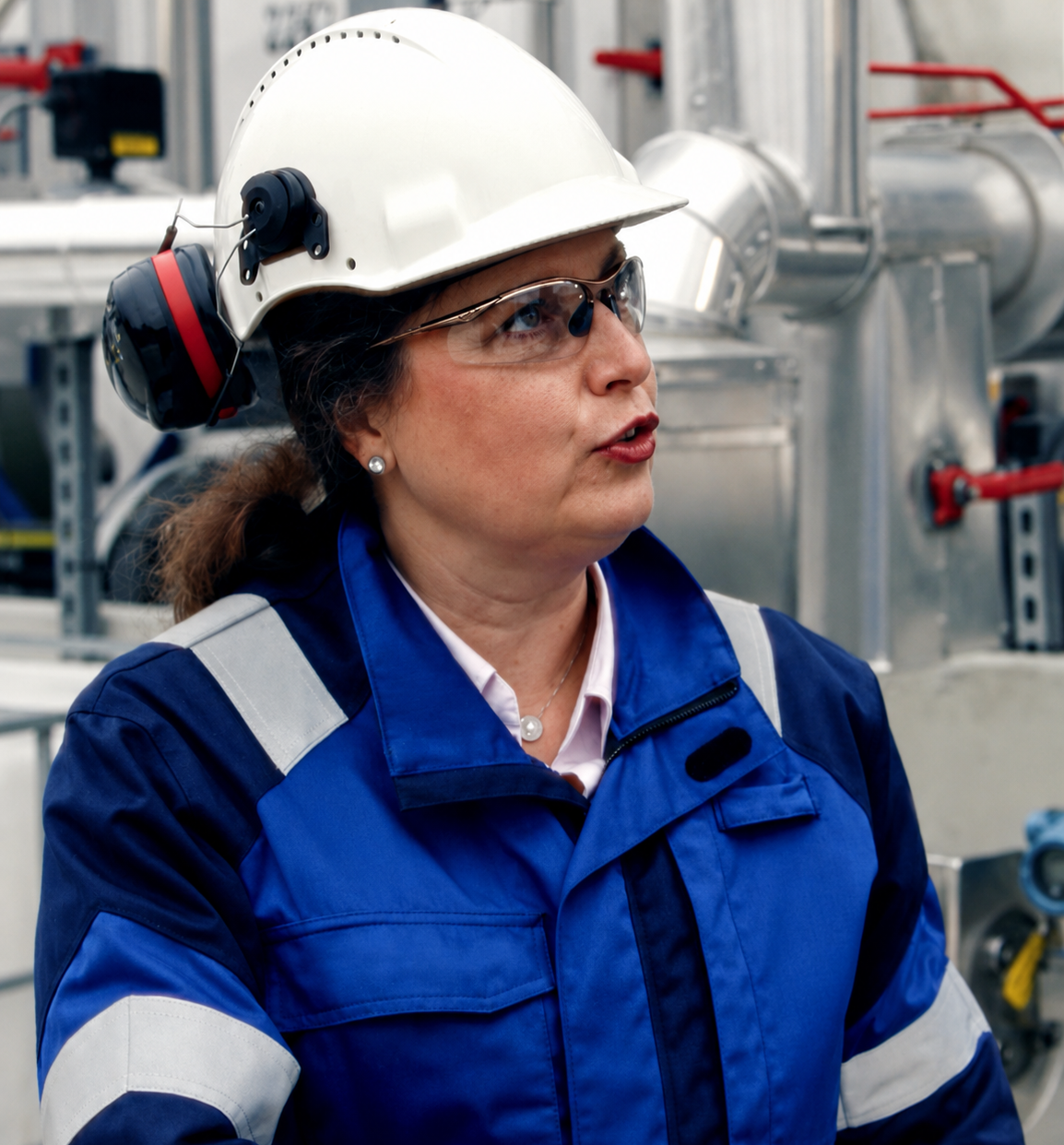
Marieke Bleyenbergh
Former EHS Executive and operations leader at Shell and AkzoNobel
Meet the founder →You may recognise yourself here.
These are not unusual situations. They are the working reality for most leaders in high-hazard industries who are doing their jobs well under conditions that were not built to support them.
Executive and senior leader
"We agreed the strategy. It is not reaching the floor."
The intent is clear. The organisation is not moving with it. Functions are pulling in different directions, leaders are not aligned and the gap between the boardroom and the site keeps widening. The quarterly review confirms it. Nothing explains it clearly enough to act on.
Senior operational leader
"Every function sends me a priority. My people are exhausted."
Production, safety, cost and change all land on the same team. The pressure is real and so is the risk of something important being missed. The things that matter most are no longer getting the attention they deserve.
EHS and technical leaders
"I know what needs to change. I cannot get it heard, funded or owned."
The analysis is solid. The proposal is well-prepared. The decision keeps being deferred, the budget goes elsewhere and the work stays stuck. It is not a knowledge problem. It is a framing and alignment problem.
The patterns show up across sectors, organisation sizes and levels of seniority. So does the path through them.
Experience across high-hazard operations
Worked with





Start small. Build trust. Scale from there.
Almost nobody should begin with a full transformation programme. Small, well-chosen pieces of work create early wins and the confidence that makes larger change possible.
The bullet points below are examples. The actual scope follows your situation and intended outcome.
Start here
Diagnostic
A structured look at where alignment is breaking down in your organisation, why it happens there, and what it is costing you in execution, risk and energy.
- Interviews across levels and functions
- Time on site, not only in meeting rooms
- A clear read of what is actually happening
- Practical first moves, not a report that sits on a shelf
Targeted work
Defined scope, defined outcome
A specific piece of work with a visible result. Often the starting point for a longer relationship, because the outcome is clear and early.
- Digital EHS system implementation and adoption
- Management system simplification
- Contractor safety management
- Post-incident recovery
- Post-acquisition integration or ownership transition
Full engagement
Transformation
A longer programme that moves an organisation through all building blocks, building the capability the organisation owns rather than dependency on external support.
- Leadership rhythm and cadence that holds
- Honest conversation made visible and repeatable
- Internal champions developed and equipped
- Evidence of progress the organisation can see
- A deliberate exit, because the point is that it continues
Diagnosis first. Prescription never.
Every organisation that struggles with alignment or change has its own particular reasons for it. Before anything is recommended, the full situation needs to be understood. That takes time and it takes honesty.
I go where the work is, not only where the meetings are.
The real picture is usually on the floor, not in the deck. Interviews across levels, time on site and conversations with the people closest to the risk tell you things that no report does.
I look at the whole before touching any part.
Most organisations fragment their improvement efforts by function. Safety programmes run separately from leadership development, which runs separately from operational performance. The work here connects them deliberately.
I work with the grain of the organisation.
Change that fights the culture fails. Change that understands it has a chance. That means identifying what already works, who already leads well and what informal systems hold things together under pressure.
The goal is capability, not dependency.
Every engagement is designed with a deliberate exit. The point is that the work continues when outside support is no longer there. Internal champions are developed. New habits are embedded. The organisation owns the result.
I have operated at every level of these organisations. From boardroom to the control room. That range is what makes it possible to be credible in all of those conversations simultaneously.
A proprietary ecosystem, not a generic framework.
The work starts with understanding the situation, agreeing outcomes and defining what is needed to move forward. Be Human Be Safe draws on a broad toolkit of operational, organisational and leadership approaches. Four proprietary building blocks support the work. Each stands alone. Together, they create a connected system for influence, trust, courageous leadership and change the organisation can sustain independently.
In a full engagement they reinforce one another as a connected system. In targeted work, the relevant building block is applied directly. C.H.A.N.G.E.™ is the one that makes change stick. It is introduced here because it is the most immediately useful for leaders who already know what needs to happen, but cannot yet make it hold.
F.L.O.W.™
Human-Centric Influence in Practice
Frames the context, connects the case to decision-makers' drivers and builds the relationships that turn expertise into action.
H.U.M.A.N.™
Human Reality, Learning and Error Tolerance
Shifts culture from compliance to genuine care. Builds the everyday conditions that make speaking up possible.
S.A.F.E.™
Human-Centric Leadership in Practice
Grows leaders who move people forward. Courageous conversations, consistent presence and real accountability.
C.H.A.N.G.E.™
Embedding Change and Building Organisational Capability
Makes change stick for the long term. Builds internal champions and creates visible evidence of progress.
How C.H.A.N.G.E.™ works in practice
The sector varies. The pattern does not.
What these organisations share is not an industry. It is that the consequences of getting leadership and alignment wrong are serious and sometimes irreversible.
A first conversation costs nothing and usually clarifies more than expected.
The first call follows your situation. We standardise the core and adapt the application, beginning by understanding what is getting stuck and where a useful starting point may be.
Sometimes the right next step is a short diagnostic. Sometimes it is a single workshop with the leadership team. Sometimes the conversation itself is the most valuable thing that happens, because it names what everyone already suspects but has not said clearly.
Whatever the starting point, nothing is proposed until the situation is understood.
Start a conversationWhat you can expect in the first conversation
- Genuine questions about your situation, not a capabilities presentation
- An honest read of whether this work is a good fit, and if not, why not
- A clear sense of what a useful next step could look like
- No commitment required and no proposal pushed
- Confidentiality as a baseline, not a courtesy
Most first conversations last 45 to 60 minutes. They happen over a call or in person, depending on what is practical.
The gap between intention and execution is where we start.
Perhaps change is losing momentum. Perhaps important work is not getting heard. Perhaps safety and operational performance are being managed separately when they need to work together.